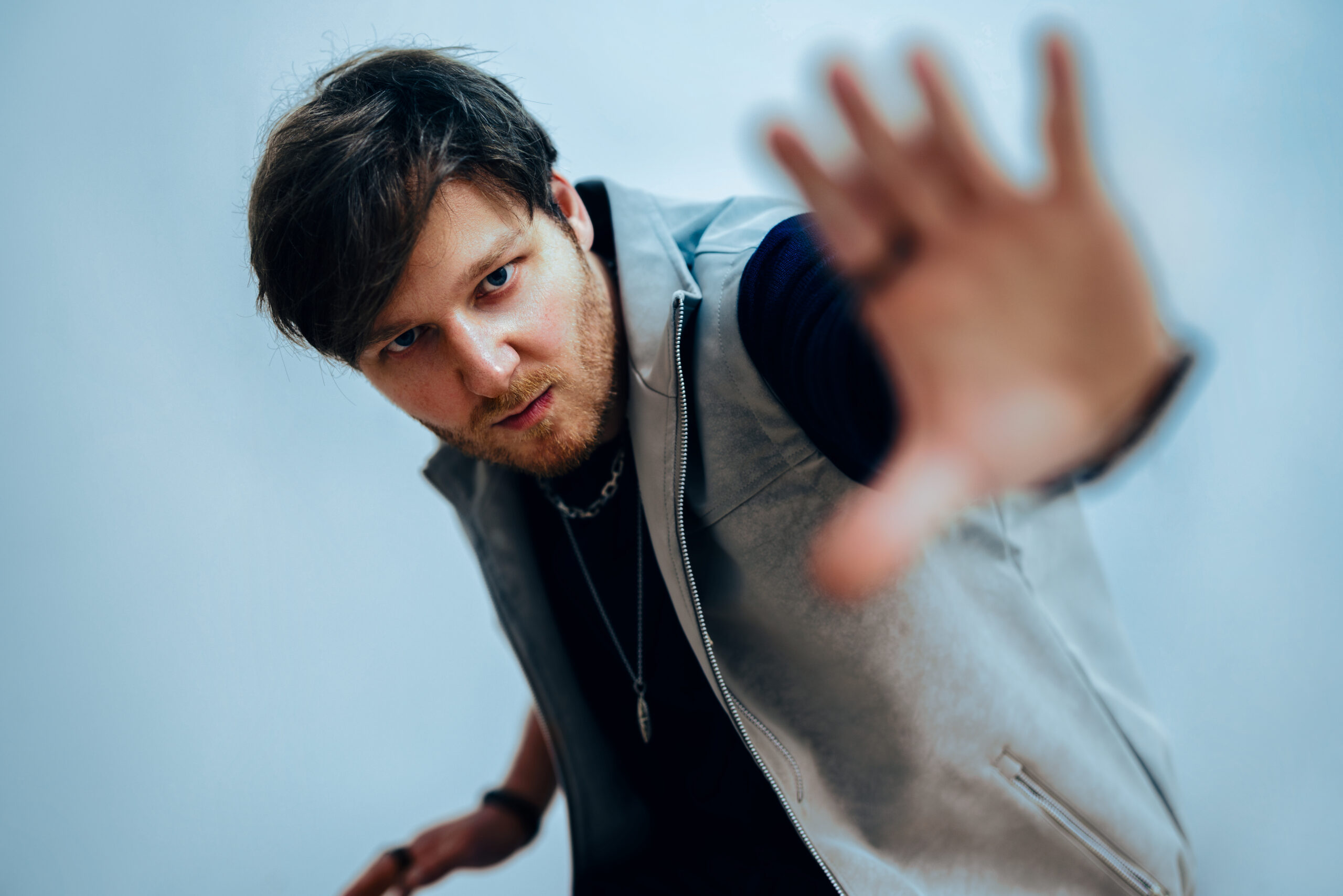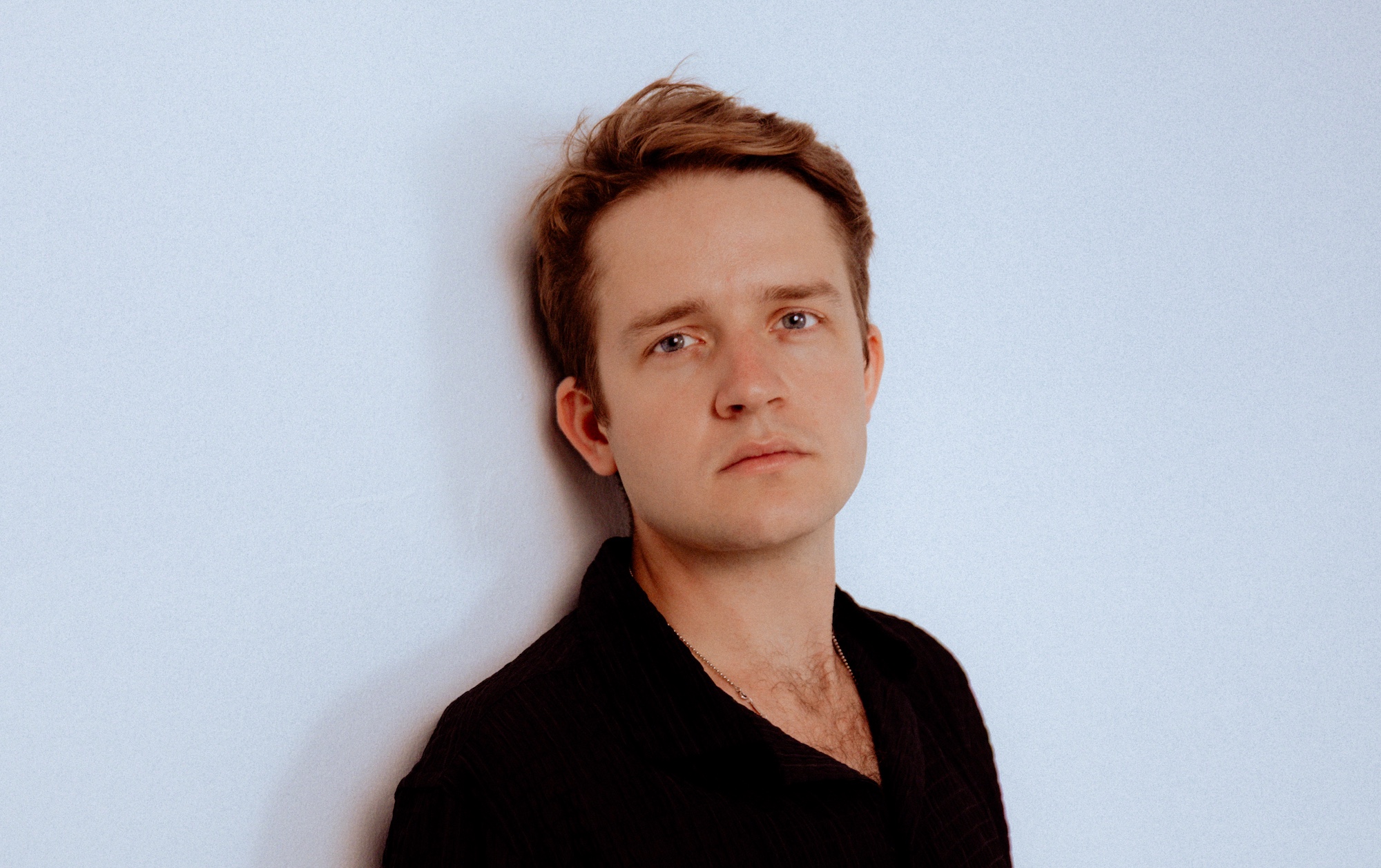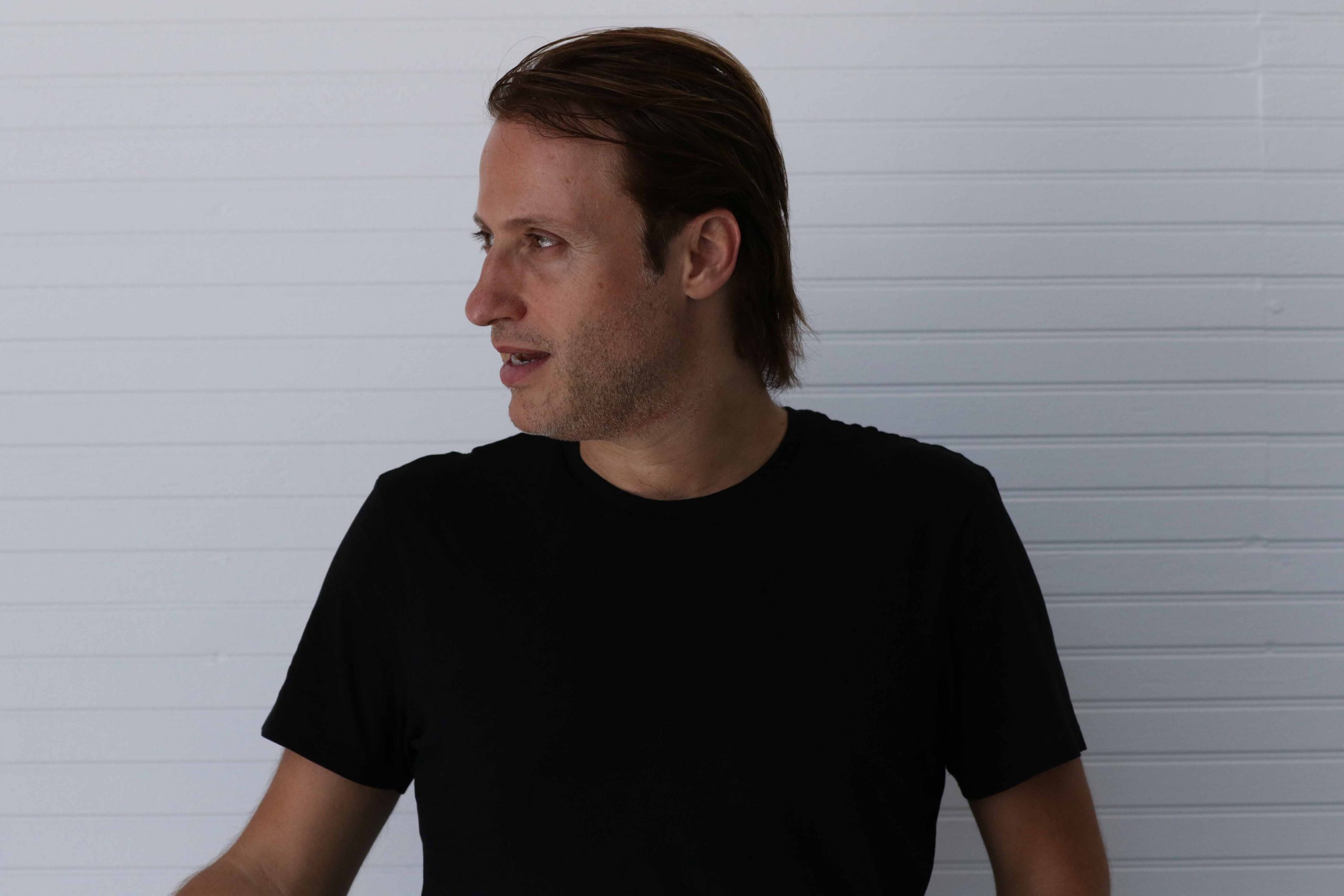


With roots in Classical Music and a deepening connection to the global Electronic Music scene, Buenos Aires-based Producer and DJ Fede Spamer is steadily defining his own lane. Known for his emotive, melody-led sound and attention to sonic detail, Fede approaches production with a balance of instinct, structure, and curiosity. As he prepares to release his debut EP, we caught up with him to explore the tools, techniques, and ideas behind his process, from the first spark of inspiration to the tension between emotional storytelling and dancefloor functionality.
Hi Fede, how’s your day going?
Hi! My day’s going well, thanks for asking.
What first sparked your interest in music production, and how did your journey into producing Electronic Music unfold?
The spark that got me interested in music production started a long time ago! I’ve always been curious about the instrumental side of Pop songs, especially Electro Pop – that curiosity began when I was around 10 years old. Later on, with the rise of YouTube, I started finding official instrumental versions of songs and would listen closely to every detail. I was fascinated by how all the different elements came together to create a complete track.
When I learned that the process was mostly done using music production software and that melodic elements were often added with a MIDI keyboard, something clicked. At the time, I had an acoustic Yamaha and a basic electric Casio that couldn’t connect to a computer. I was about 12 when I asked my parents to buy me a MIDI keyboard, and that’s when I started exploring GarageBand more seriously. I had used it before to record my voice and play with effects, but this time I began trying to build tracks.
As I got deeper into music production, I realised that creating and performing Electronic Music was something I genuinely wanted to pursue. That’s when I started taking it more seriously and eventually moved to Ableton. From there, a whole new world of possibilities opened up. My tracks started sounding better, more polished, and over time, I reached a point where I felt confident – I knew I could really do this.
You have a background in Classical Music – how does this influence your production process when you sit down to create?
My background in Classical Music definitely shapes how I produce. For me, creative freedom is really important, and it’s kind of like how Classical Music works – it’s free, but there’s also a structure that holds everything together. When I’m working on a track, I listen to it over and over, no matter what stage it’s at, and I start to build a structure in my head. That structure isn’t fixed – I tend to modify it as I go along. Every track feels like a new project, with its own flow that I create based on what feels right. I think that sense of structure comes from all the sheet music I’ve read and the music theory I’ve learned over the years. Growing up listening to Classical Music, especially Mozart, I got used to music that follows certain rules but also breaks them. That’s something I love about Electronic Music, too: it allows for both discipline and experimentation.
Can you talk us through your current production setup? Are there any essential pieces of gear or plugins that have become central to your workflow?
My current setup includes a computer, a MIDI keyboard, a controller, earphones, monitoring speakers, and a microphone. It’s pretty basic, and all are essential to me.
Regarding plugins, Serum is my go-to synth – I can’t imagine making a track without it. It’s my main tool for basslines and most of my leads.
Recently, I’ve been exploring Native Instruments plugins, and they’ve completely changed my workflow. Massive X is great for generating creative ideas. Their Solid EQ is fantastic for mastering, along with Ozone 11 and effects like Replika XT, which have become fundamental tools for me. I also really enjoy using LFOTool and some FabFilter plugins like Saturn 2 and ProQ 3 to add texture and depth.
On top of that, I use several Ableton devices such as Drum Buss, Arpeggiator, Compressor, Auto Filter, and Utility, which are great for shaping sounds and mixing.
Which DAW do you primarily use?
I primarily use Ableton Live. I started with GarageBand, but once I discovered Ableton, it completely changed the way I approach production. The workflow feels natural to me, and I love how flexible and powerful it is, especially for Electronic Music.
When you start a new track, do you usually begin with a melody, a groove, or a particular feeling you want to capture?
I usually start by thinking about the feeling I want the track to have, or what it’s going to be used for. For example, I recently made a track specifically to open a DJ set. Since the set was mostly Melodic Techno, that track had to match the vibe and style of the rest of it.
I’m still developing my sound, and I think I always will be, because I enjoy trying new things with every project I start. So, a lot depends on the mood I’m in and whether I want the track to feel more dynamic or more restrained.
Technically, I usually begin by choosing a scale – the root note always defines the overall vibe of the track for me. Then, I craft the bassline and layer in a kick. From there, I start to get a sense of the track’s direction and emotional tone. At that point, I either start building a lead or begin looking for vocals – whatever feels right for what the track needs. After that, it’s just a matter of layering, sound design, mixing, mastering, and shaping the overall structure.
In your view, what is the most crucial element when building a track that connects on the dancefloor while still holding emotional weight?
For me, the most crucial element is finding the right balance between energy and emotion. A track needs to have a strong groove that gets people moving, but it also has to carry an emotional depth that keeps listeners connected beyond just the rhythm.
That emotional connection often comes from the melodies, harmonies, and the way the track builds and releases tension. If the energy is there but the feeling is missing, the track might work on the dancefloor in the moment, but won’t leave a lasting impact.
So, I focus on crafting grooves that make people move, while layering in melodic and textural elements that evoke a feeling, making sure the track speaks both to the body and the mind.
Your sound blends evolving melodies with club-ready energy. How do you find the balance between emotional storytelling and the functional aspects needed for a dancefloor track?
That’s a hard question! But I think it starts with the fact that Electronic Music is the genre I’ve always connected with the most, and because of that, the music events I go to are almost always Electronic as well. Experiencing that scene firsthand has helped me understand which elements make people react, and which ones hit me the hardest when I first experienced them live.
So, when I’m producing, I naturally lean toward recreating those moments that I love, but in my own way. I focus on capturing the emotional tension and release, the energy shifts, and the kind of textures that pull you in. It’s always a balance between storytelling and functionality, making sure the track can move a dancefloor but still carry meaning.
Collaboration is a big part of growth for many Producers. Who would be a dream collaborator for you?
There are honestly too many to name, but if I had to pick a dream collaborator –thinking of it as a dream, since I still feel I have a way to go before something like that could happen – it would be Anyma.
Finally, what keeps you motivated to continue producing, especially during longer projects like your upcoming debut EP?
I think it’s the excitement of what’s coming next. I’m always experimenting with new production techniques, trying to improve and push my sound forward. Every single day, I work on tracks and start new ideas – even if I know most of them will never be released. That curiosity and drive to innovate keep things fresh, even during longer projects like my upcoming debut EP.
I see each track as a chance to learn something new and take things a step further.
Fede Spamer’s approach to music production reflects a clear dedication to craft, grounded in musicality, shaped by intuition, and driven by a desire to keep evolving. Whether building a track to open a DJ set or layering textures for emotional impact, he brings intention to every decision, pushing forward with a firm grasp on his creative direction and ambitions ahead. With new music scheduled, he is no doubt one to keep an eye on, so be sure to follow Fede Spamer across social media to stay updated on his upcoming news, releases, and performances.
Fede Spamer Online