
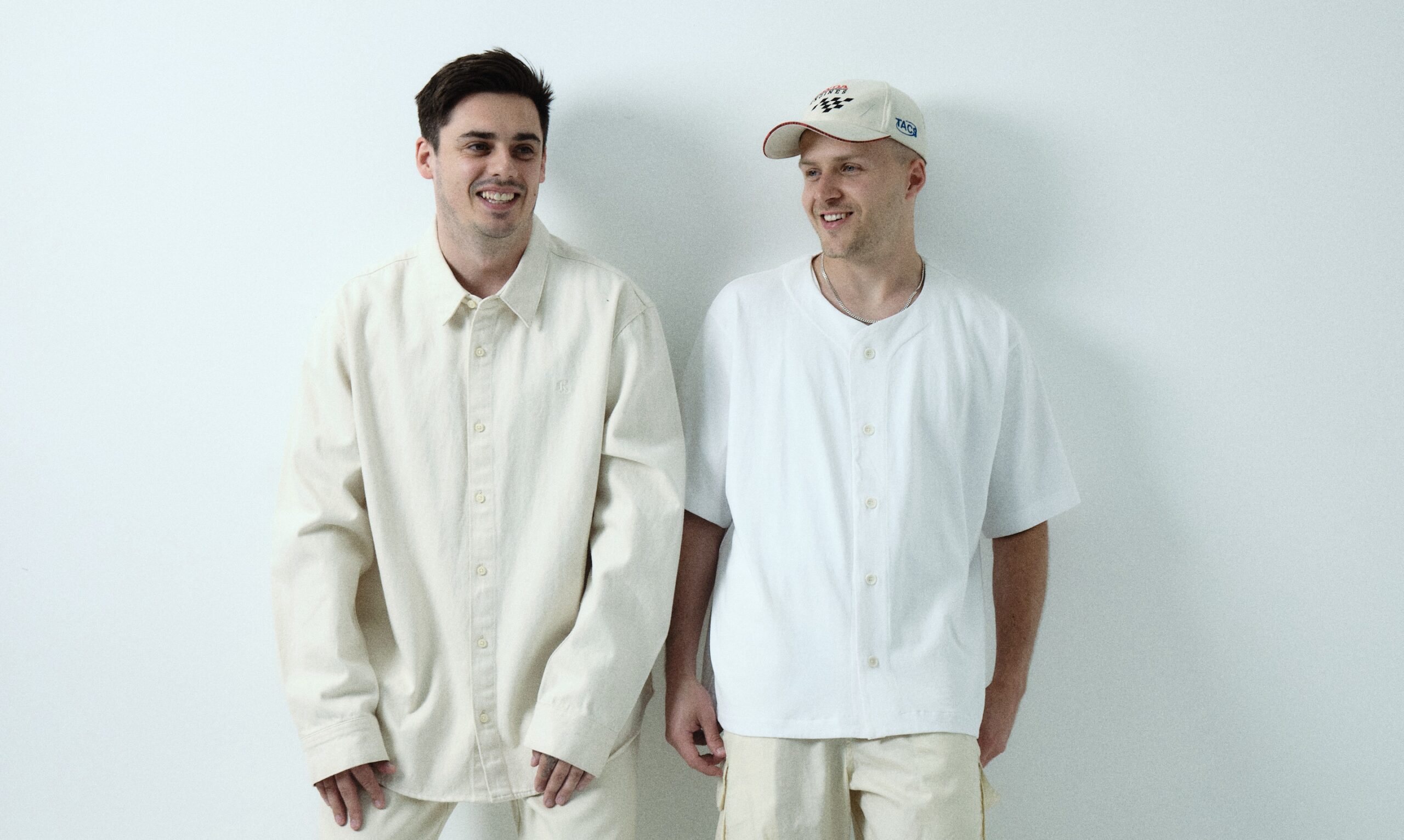
After years behind the scenes writing for major artists, Chris Mears and Joris Mur formed HotLap and quickly moved from studio project to regular support across European booths. Early cuts like “You & I” (Selected.), “Pinnacle” (NYX Music) and “Shelter” with UVITA (Get Physical Music) established their melodic, stripped approach, followed by “Waste Away” and “Back Up” on Magnifik Music and a remix of “Feel The Love” on Insomniac Records.
In this conversation they reflect that momentum has brought pressure, and explain why the next phase is about protecting studio time, choosing collaborations carefully and building a catalogue that feels coherent long after individual releases fade.
You both arrived at HotLap after years inside the industry in different roles. Now that the project has momentum, what do you want the next 12 months to actually change in your day to day lives as artists?
Honestly, we want things to get simpler, not bigger. More time in the studio without noise around it. Fewer outside opinions pulling the direction around. If the next year gives us more control over our time and more space to focus on our music properly, that would mean more than any headline metric.
The space you sit in has become crowded very quickly. When you’re making new material this year, how do you stop yourselves drifting toward what’s working around you?
You can feel it when you’re drifting. It usually sounds slightly forced. If we catch ourselves saying, this works for everyone else, that’s normally a red flag. We try to stay close to what feels natural in the room when it’s just the two of us. If an idea excites us without context, it usually survives.
Touring schedules often start shaping the music whether you want them to or not. Are you planning records around the rooms you expect to play in 2026, or trying to force those rooms to adapt to you?
We are aware of the rooms, but we do not want to chase them. If you start writing for a specific festival moment, the music can lose its depth. We would rather make records that feel true to us and let the right rooms connect with that. If the music has conviction, the space tends to adapt.
Collaboration is everywhere right now. Going forward, are you looking for fewer, deeper partnerships or a wider network of voices passing through the project?
Probably fewer and more meaningful. We are not against collaboration, but it has to feel intentional. We like spending time with an idea and with the person behind it. Quick exchanges rarely create something lasting. Depth over volume feels right for us.
A lot of producers talk about building an identity, but audiences now discover artists through playlists and short clips first. How do you make sure the project still reads as a coherent body of work?
We focus on internal consistency rather than external framing. If the grooves, pacing and emotional tone feel connected, the identity holds. Even if someone finds us through a short clip, there should be a thread that runs through everything else they hear. That thread comes from how we make decisions, not how we market them.
What’s something about the current electronic landscape that you think artists quietly struggle with but don’t admit publicly?
The pressure to react quickly. There is an expectation to constantly show something new, to comment on every shift in sound or culture. That can create anxiety around patience. A lot of artists probably want more time than they feel allowed to take.
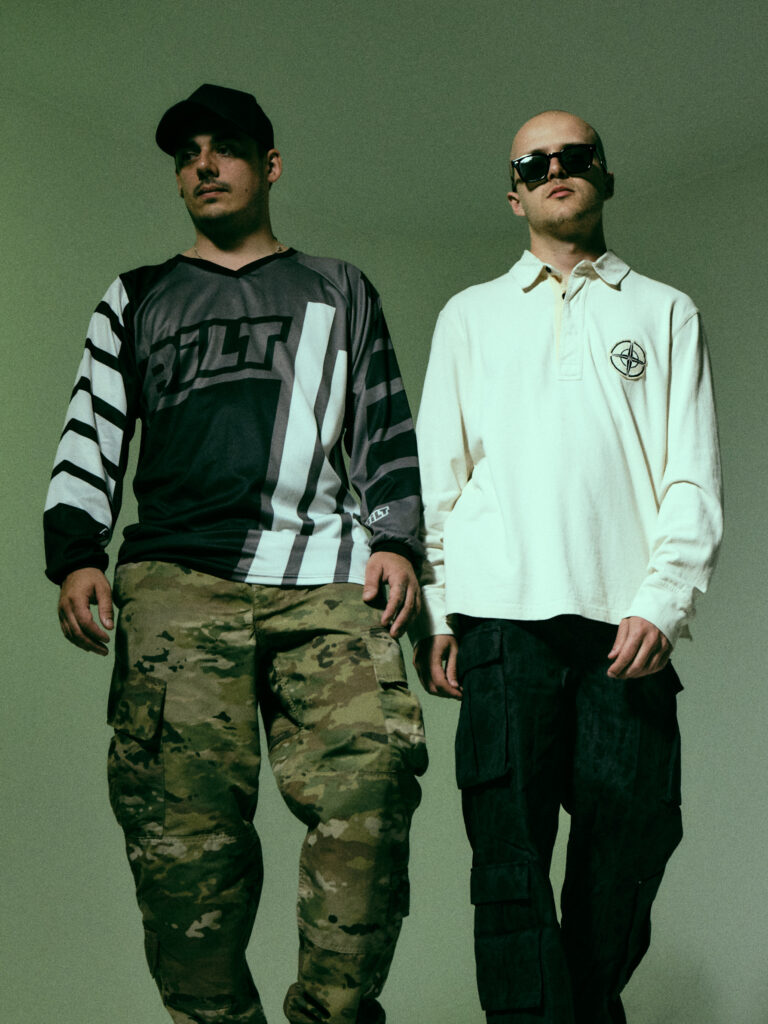
When you look ahead, do you see yourselves becoming more performance led, more studio focused, or trying to keep a balance that most projects eventually lose?
We want to protect the balance. If it tips too far toward touring, the studio suffers. If it tips too far toward isolation, you lose perspective. The ideal version of this project lives in the space between the two, where playing informs writing and writing informs playing.
By the end of this year, what would feel like genuine progress to you that wouldn’t show up in numbers, charts or ticket sales?
Feeling more certain about who we are. Having a small catalogue of records that we genuinely stand behind without qualification. If we can look at the body of work and feel that it sounds like us, clearly and confidently, that would feel like real progress.
Follow HotLap on Instagram